An Old but Very Much Alive Tradition
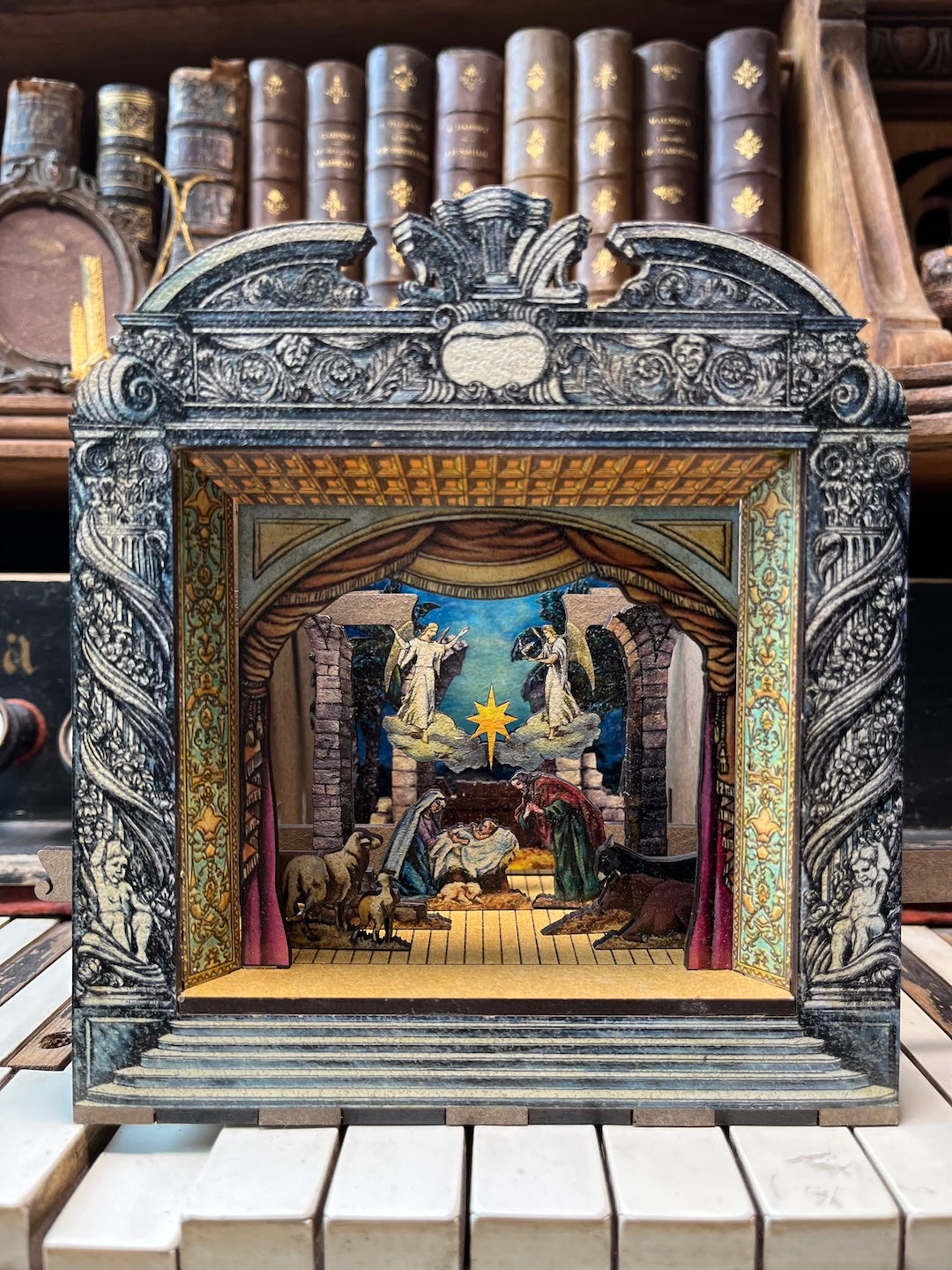
The nativity scene, a major symbol of Christmas, depicts the birth of Jesus. Its origins date back to the 12th century, emerging as theologians rediscovered the accounts of Jesus' childhood. Inspired by the Gospel of Saint Luke, it illustrates the stable in Bethlehem, where Mary and Joseph found refuge for lack of space in an inn. The term "nativity scene" comes from the Latin "criperia", meaning "manger."
In 1223, Francis of Assisi popularized the tradition by staging a living nativity scene in Greccio, Italy. Later, Jesuits introduced scale models in churches across Eastern Europe, further spreading the tradition. Over the centuries, craftsmen have created nativity figurines from wood, paper, and clay, including the famous santons of Provence. These scenes have evolved, sometimes incorporating elaborate landscapes of Judea, yet they remain a universal symbol of divine humility and unity among Christians.
A Universal Tradition?
Once limited to Christian churches and homes, the nativity scene has undergone cultural democratization. Today, it is an iconic element of end-of-year celebrations, transcending religious boundaries. Displayed in public spaces, shop windows, and festive decorations, it now embodies conviviality and celebration, integrating seamlessly into the global holiday tradition.
Technical Information
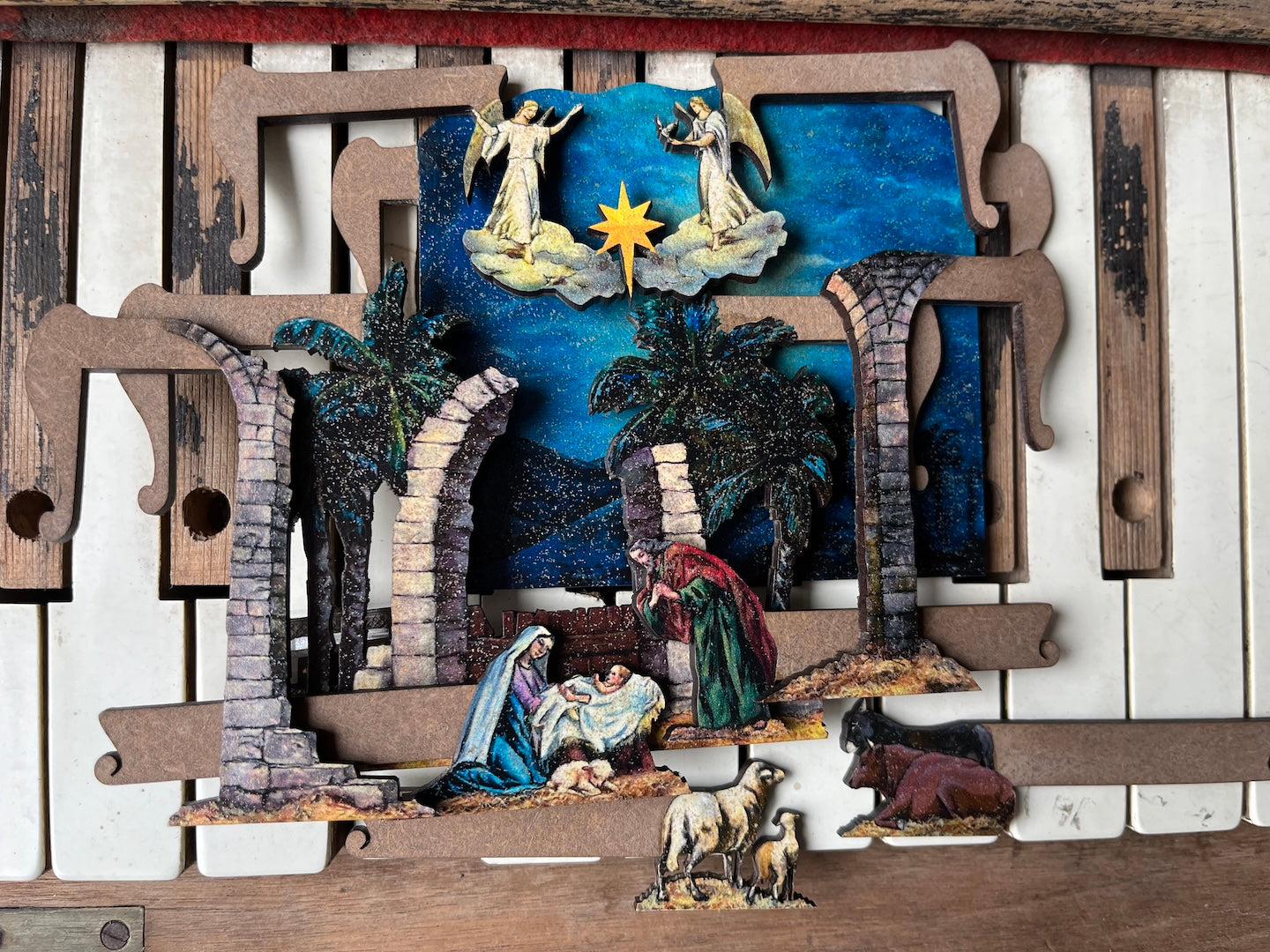
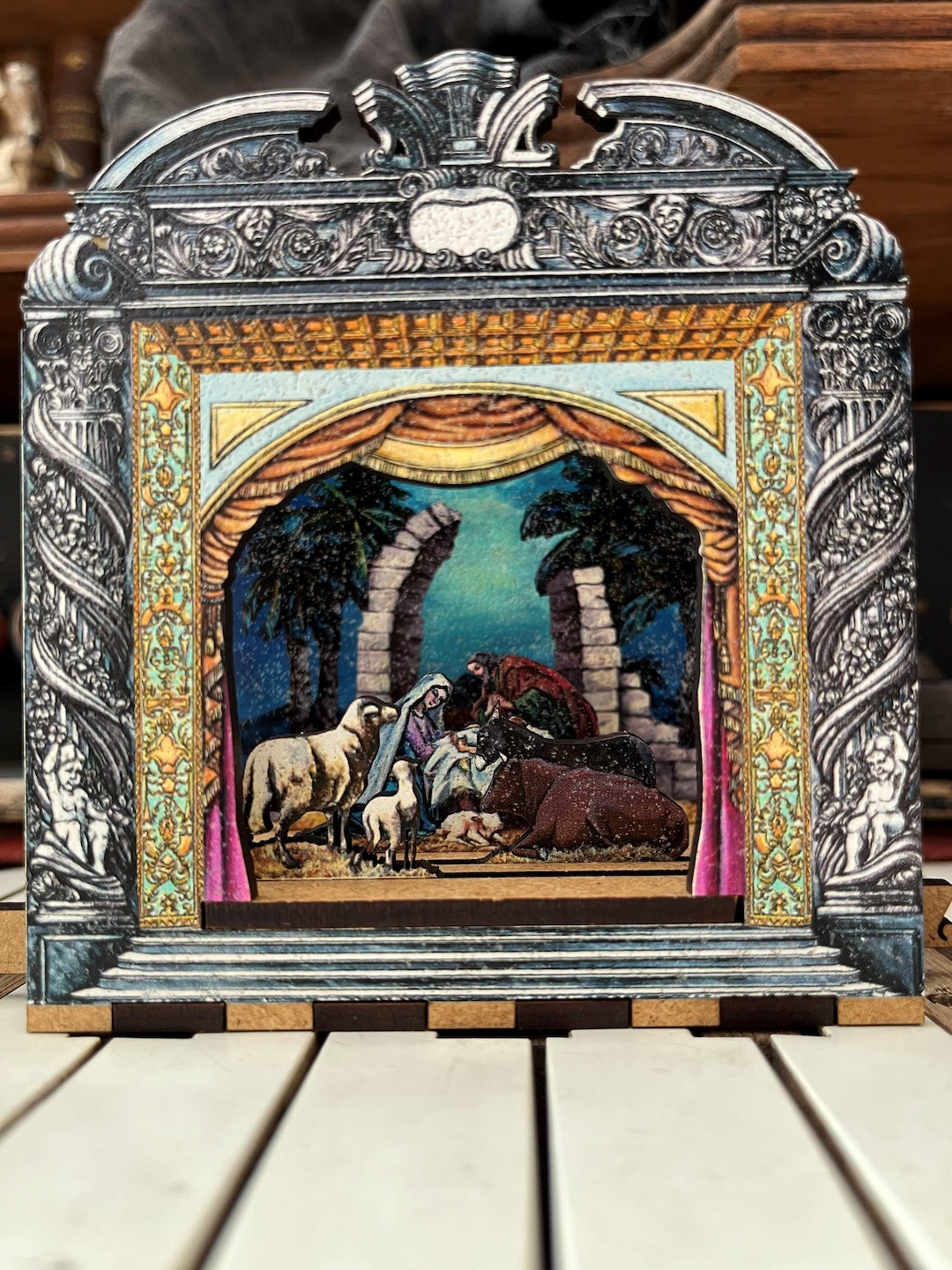
- Material: Miniature theatre, cut and printed on pressed wood
- Assembly: Comes fully assembled in its box
- Dimensions: H: 170mm | D: 115mm | W: 150mm
- Weight: 220g - 280g
- Made in France